
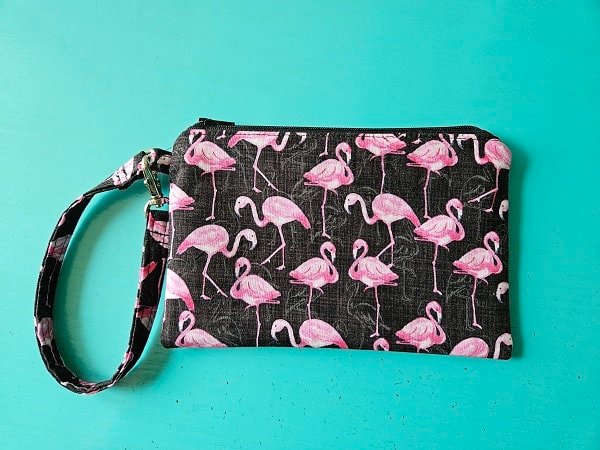
If you’ve been looking for a creative and practical sewing project, how to sew a simple wristlet purse – quilt pattern is a perfect place to start. Whether you’re a beginner exploring quilting or an experienced crafter searching for a quick weekend project, a quilted wristlet purse offers the ideal blend of style, function, and personalization. Using simple quilting techniques, you can create a charming accessory that also makes a thoughtful handmade gift.
A wristlet purse is more than just a small bag; it’s a versatile piece that can hold your essentials, such as a phone, keys, and cards, while keeping your hands free. When combined with quilting methods, it transforms into a one-of-a-kind item that reflects your unique fabric choices and sewing skills. Learning how to sew a simple wristlet purse – quilt pattern empowers you to explore patchwork and creativity in a manageable and enjoyable format.
In this article, we’ll walk through every step of the process: from choosing fabrics and preparing materials, to cutting, quilting, assembling, and finishing your wristlet. Whether you’re sewing for yourself or as a handmade gift, the skills and techniques you gain here will be useful in many future projects. Let’s dive into the delightful process of making your own quilted wristlet purse!
1. Choosing the Right Fabric and Materials
Before you start, selecting the appropriate fabric and materials is crucial when learning how to sew a simple wristlet purse – quilt pattern. The right choices will ensure your wristlet is both durable and beautiful.
Begin by selecting two main fabrics: one for the exterior and one for the lining. For the outer layer, choose cotton quilting fabric or canvas for sturdiness. The lining can be a coordinating cotton print or a lighter solid fabric. Consider using pre-cut fabric bundles, such as fat quarters, for an easy and affordable start.
Next, you’ll need interfacing and batting. Fusible fleece or lightweight batting adds structure and a quilted texture to your wristlet. A medium-weight interfacing helps the purse hold its shape, especially around the zipper and strap area.
Other materials include a 7–9 inch zipper, a D-ring and lobster clasp for the wrist strap, coordinating thread, and basic sewing tools like scissors, pins, a rotary cutter, and a sewing machine. If desired, add a layer of quilted stitching to your outer fabric before assembly for a more classic quilted look.
Think about how you want your wristlet to feel and function. A structured purse requires stiffer interfacing, while a soft, flexible wristlet can use lighter layers. Color coordination also matters. Choose fabric patterns and shades that express your style or suit the recipient if you’re gifting it.
By preparing these materials in advance, you’ll set the stage for a smooth sewing experience. This project may be simple, but preparation is key. Once you gather everything, you’ll be ready to cut your fabrics and bring your quilt pattern wristlet to life.
2. Cutting and Preparing the Quilted Pieces
After gathering your materials, it’s time to move to the cutting stage. Precision is important in how to sew a simple wristlet purse – quilt pattern because well-cut pieces ensure everything aligns neatly.
Start by cutting two outer fabric pieces, two lining pieces, and two batting or interfacing pieces. A good size for a basic wristlet is 9 inches wide by 6 inches tall. Cut all pieces to this dimension, adjusting slightly if you prefer a larger or smaller bag.
Fuse the batting to the wrong side of the outer fabric pieces. If you’re using fusible interfacing, follow the manufacturer’s instructions and iron it on securely. Then, create a quilted texture by sewing straight or diagonal lines across the fabric at even intervals. This step gives your wristlet a distinctive quilted look and reinforces the fabric.
Trim any uneven edges after quilting to keep all layers uniform. Mark the zipper placement at the top edge of each outer and lining panel, ensuring even alignment. This part helps avoid errors when sewing the zipper later.
For the wrist strap, cut a strip of fabric about 12 inches long and 2 inches wide. Fold and press it into a sturdy strap, then stitch along both long edges for reinforcement. Attach the strap to a D-ring or lobster clasp, securing it with stitching.
By cutting and preparing all components accurately, your quilted wristlet will be much easier to sew and assemble. This step might seem simple, but attention to detail makes a big difference in the final look and functionality of your purse.
3. Sewing the Zipper and Assembling the Bag
Now comes the exciting part—assembling your wristlet! One of the most crucial skills in how to sew a simple wristlet purse – quilt pattern is learning to sew a zipper neatly between your quilted and lining pieces.
Start by placing one quilted outer piece right side up, then align the zipper face down along the top edge. Place one lining piece right side down on top of the zipper, creating a sandwich with the zipper in the middle. Pin or clip in place, then sew along the top edge using a zipper foot.
Repeat the same process for the other side with the remaining outer and lining pieces. After sewing both sides, press the fabric away from the zipper and topstitch along the edge for a clean, finished look.
Open the zipper halfway—this is important for turning the bag later. Then, match the outer fabric pieces right sides together, and the lining pieces right sides together, forming a pouch shape. Pin all edges carefully, aligning seams and corners.
Stitch around the entire perimeter of the wristlet, leaving a 2–3 inch opening at the bottom of the lining. Be sure to reinforce the seams near the zipper ends. If your wrist strap is ready, insert it into the seam on one side of the outer fabric before stitching.
After sewing, clip the corners and trim any bulk to reduce bulk. Then, turn the wristlet right side out through the opening in the lining. Use a pointed tool to gently push out corners. Stitch the lining opening closed by hand or machine, then tuck it inside the bag.
You now have a fully assembled quilted wristlet purse—functional, stylish, and handmade!
4. Personalizing and Finishing Touches
The beauty of learning how to sew a simple wristlet purse – quilt pattern lies in personalization. Now that the structure is complete, let’s explore fun and creative ways to make it your own.
Start with embellishments. You can add decorative quilting stitches using contrasting thread, or try free-motion quilting for a more artistic finish. Even straight-line quilting in creative patterns like chevrons or grids can give your wristlet a unique style.
Consider adding an inside pocket for organization. Simply sew a small rectangular fabric piece onto the lining before assembling the bag. This step is optional but adds a useful compartment for cards or coins.
You can also add fabric labels, embroidery initials, or applique designs to the outer fabric. These personal touches are especially nice if you plan to give the wristlet as a gift.
If you want to change the size or shape of the wristlet, experiment with your cutting dimensions. Make a mini coin purse, a larger clutch, or even a crossbody version by adding a longer strap. The same quilt pattern techniques apply, giving you endless design options.
Don’t forget the strap! You can switch the fabric strap for a leather one, or make it removable with a lobster clasp. Match the hardware color to the zipper for a polished, professional look.
With each change and detail you add, you create a truly unique piece. Once you understand the basics of how to sew a simple wristlet purse – quilt pattern, the rest is all about creative expression.
FAQ – How to Sew a Simple Wristlet Purse – Quilt Pattern
What size should I cut the fabric for a wristlet purse?
A common size is 9″ x 6″ for each panel. Adjust according to your preferences, keeping the same size for both outer and lining pieces.
Do I need a special sewing machine for quilting?
No. A basic sewing machine with a straight stitch and zipper foot is enough for this project. Optional features like a walking foot can help with bulk.
Can I hand sew this entire wristlet?
It’s possible, but it’s much faster and more secure with a machine, especially when attaching the zipper and quilting layers.
What kind of batting should I use?
Fusible fleece or lightweight quilt batting works well. It adds texture and structure without making the wristlet too bulky.
Is interfacing necessary?
Interfacing gives the wristlet firmness and helps it hold its shape. Use medium-weight fusible interfacing for best results.
How do I clean a quilted wristlet purse?
Spot clean with a damp cloth or hand wash gently if needed. Always test a small area first, especially if using delicate fabrics.
Can I use scraps or fat quarters for this project?
Yes! This project is perfect for fat quarters and leftover fabric scraps. It’s a great way to use your quilting stash efficiently.
How do I keep the zipper straight while sewing?
Use sewing clips or pins to keep the zipper aligned. A zipper foot allows you to sew close to the teeth without shifting.
Can I sell the wristlets I make?
Yes, handmade quilted wristlets are popular at craft fairs and online shops. Just make sure your pattern isn’t under copyright if using a third-party template.
What’s the best way to personalize the wristlet?
Add a monogram, label, or embroidery. Choose fabrics that reflect your personality or that of the person receiving it.
Creating your own quilted wristlet purse is not only satisfying but also a wonderful way to express your creativity and sewing skills. By learning how to sew a simple wristlet purse – quilt pattern, you’ve explored cutting, quilting, zipper installation, and finishing techniques—all while crafting something useful and stylish.
Whether you’re making one for yourself, a friend, or to sell at a handmade market, this project offers flexibility, beauty, and practicality. With each new wristlet, you’ll improve your skills and develop your own unique quilting style.
If you enjoyed this tutorial, please leave a sincere opinion or suggestion about what you liked most or what you’d love to see next. Your feedback helps make future guides even better!