
How to make a patchwork pillow with fabric scraps is a question that resonates with both beginner and experienced quilters alike. This quilt pattern project is the perfect way to use leftover materials creatively while adding a cozy handmade touch to your home. Not only does it reduce waste, but it also offers a satisfying, quick finish for anyone who enjoys sewing and crafting.
Whether you have a basket full of colorful fabric leftovers or a box of treasured fabric pieces from past quilts, creating a patchwork pillow lets you bring those scraps back to life. From bright florals to subtle neutrals, every piece plays a role in forming a unique cushion. This is also a great opportunity to experiment with layout, color blocking, or even random piecing.
In this tutorial, we’ll show you how to make a patchwork pillow with fabric scraps step-by-step using a simple yet charming quilt pattern. All you need is your scrap fabric, some basic sewing tools, and a bit of creativity. Let’s dive into the art of patchwork!
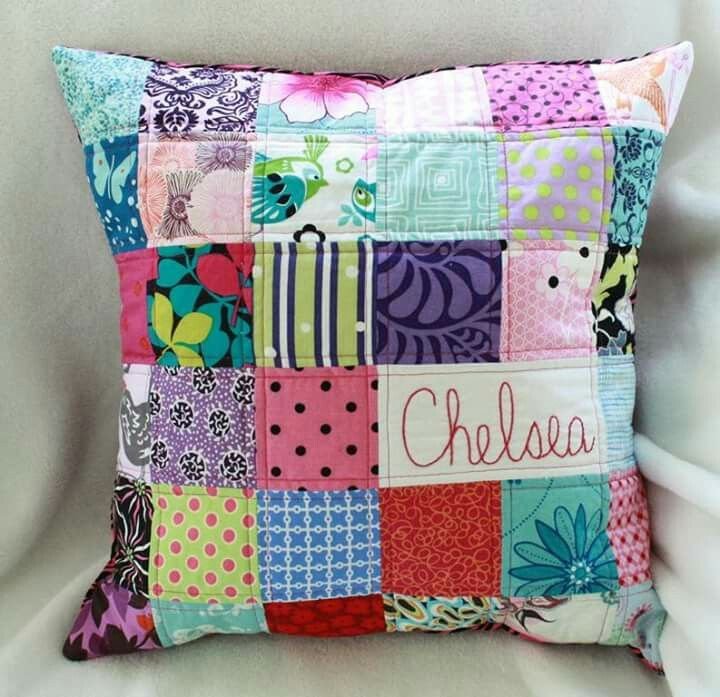
1. Selecting and Preparing Your Fabric Scraps
The first and most important step in learning how to make a patchwork pillow with fabric scraps is choosing your fabric. This can be a joyful and intuitive process or a carefully curated one, depending on your style.
Start by going through your scrap bin and pulling out pieces that inspire you. Look for fabrics that coordinate in color, pattern, or texture. Don’t be afraid to mix bold prints with solids.
Next, iron each fabric scrap thoroughly. Wrinkles can cause your seams to misalign or your cuts to be uneven. Crisp fabric is much easier to work with.
Trim your fabric scraps into uniform shapes. Squares and rectangles are easiest for beginners, but feel free to use half-square triangles or hexagons if you’re more advanced.
Lay out your trimmed pieces on a flat surface and try different arrangements. Play with symmetry, rainbow gradients, or a random layout. This is your chance to have fun and personalize your quilt pattern.
Make sure all your fabric pieces are roughly the same weight and type. Mixing flannel with thin cotton, for example, can cause uneven seams and warping.
If any pieces are too small or frayed, you can either trim them smaller or discard them. The goal is to have a collection of usable fabric blocks that will sew together smoothly.
2. Piecing the Patchwork Design
Once your scraps are selected and prepped, it’s time to begin the sewing phase of how to make a patchwork pillow with fabric scraps. This part is where the real magic starts!
Sew your fabric pieces together row by row. Use a ¼-inch seam allowance, which is standard in quilting. This ensures uniformity and strong seams.
Always press your seams after each row, either open or to the side. Pressing is key to a flat, finished look in your quilt pattern.
Once all the rows are sewn, join them together to complete your patchwork front. Double-check alignment to keep the design clean and balanced.
If you want to add a layer of batting to give your pillow front a quilted effect, now’s the time. Place the batting behind your patchwork top and quilt through all layers.
You can quilt straight lines, diagonals, or even free-motion stitching if you’re confident. Keep your stitches even and take your time.
Trim the patchwork front to your desired pillow size—usually 16×16 or 18×18 inches. Make sure the edges are square and neat for a polished result.
3. Assembling and Finishing the Pillow
Now that your patchwork front is complete, the final steps in how to make a patchwork pillow with fabric scraps involve turning it into a beautiful pillow with a backing and closure.
Decide on the type of pillow back you want. An envelope closure is simple and doesn’t require a zipper. You’ll need two overlapping fabric panels.
Cut your back panels about 2/3 the height of the pillow front and hem one edge of each panel. These will overlap at the back of the pillow insert.
With right sides together, place the patchwork front face-up and then layer the back panels face-down, aligning all edges.
Pin everything in place and sew around the entire perimeter using a ½-inch seam. For added durability, you can backstitch at each corner.
Trim the corners diagonally and turn the pillow cover right-side out. Use a blunt object to push out the corners gently.
Insert your pillow form and admire your finished project! You’ve just completed how to make a patchwork pillow with fabric scraps and brought a quilt-inspired piece to life.
4. Tips for Personalizing Your Quilt Pattern
One of the best parts of learning how to make a patchwork pillow with fabric scraps is how customizable each project can be. Your quilt pattern doesn’t have to follow strict rules—this is where creativity shines.
Try using a theme for your scraps, like florals, children’s prints, or holiday fabrics. This brings coherence to your pillow even with varied colors.
Experiment with block sizes. Mix large and small patches for a modern look or stick to uniform squares for a traditional aesthetic.
Add hand embroidery or appliqué on top of your patchwork to make it extra special. Names, dates, or simple motifs work beautifully.
Use contrasting thread colors when quilting for a bold effect, or match the thread for a subtle finish.
Play with the pillow shape. Square is common, but you can also create lumbar, rectangular, or even circular patchwork pillows.
Don’t forget to label your creation if you’re gifting it. A small hand-stitched tag can add a warm, personal touch.
Frequently Asked Questions
What size scraps do I need to make a patchwork pillow?
You can use scraps as small as 2″x2″ squares, but 3″x3″ or larger is more manageable. Trimming them into consistent sizes helps with even sewing.
Do I need a sewing machine to make a patchwork pillow?
While a sewing machine makes the process faster and easier, it’s possible to hand sew a patchwork pillow with a bit more time and patience.
Can I wash a patchwork pillow?
Yes, but it’s best to wash on a gentle cycle in cold water. If using delicate or vintage fabrics, consider hand washing.
What type of batting should I use?
A thin cotton or polyester batting works well. It adds softness without making the pillow too bulky.
Is it necessary to quilt the front?
Quilting adds texture and durability, but it’s optional. You can skip quilting if you’re using sturdy fabrics and want a cleaner look.
Can I use t-shirts or clothing scraps?
Yes! Just stabilize stretchy fabrics with interfacing or mix them with more stable cottons to avoid distortion.
Now that you’ve learned how to make a patchwork pillow with fabric scraps, you have a new skill that combines sustainability with creativity. From preparing your fabric and sewing a beautiful quilt pattern, to finishing your pillow with style and care, this project is a fulfilling journey from start to finish.
Patchwork pillows are a wonderful way to practice quilting techniques and create personalized gifts or home accents. Plus, it’s a fantastic way to keep fabric waste out of landfills while showcasing your artistic flair.
I’d love to hear how your project turned out! Share your thoughts, ask questions, or suggest other quilted items you’d like to see tutorials for in the comments. Your feedback helps keep this creative community growing!